
Build a Routine for the Moment Before
Use a few repeatable cues to prepare for a presentation, interview or competition.
MT Editors14 de julio de 2026 3 min de lectura
Artículo disponible en inglés.
Prepare for the Task in Front of You
Athletes often use repeatable routines before performance. You can borrow the practical idea without treating it as a guarantee of success. Before a presentation, interview or difficult conversation, choose a short sequence that directs attention toward what you can actually do. The routine should serve the task, not become another thing to get right.
Start with logistics: know where you need to be, what materials you need and how you will begin. Rehearse the opening action out loud when appropriate. Familiarity with your first sentence or movement can be more useful than repeatedly imagining a flawless result that depends on everyone else cooperating.

Use Cues You Can Remember
Choose one comfortable physical cue, such as feeling your feet on the floor or releasing your shoulders. Breathe naturally rather than forcing a dramatic breathing pattern. Then choose one instruction tied to the job: speak the first sentence clearly, look at the question or check the starting position.
Keep the sequence brief enough to use when you are nervous. Practice it during ordinary rehearsals so the real event is not its first test. If a cue makes you self-conscious or distracted, change it. There is no value in keeping a ritual merely because it sounds impressive.
- Check one essential piece of equipment before starting.
- Use a single instruction aimed at the next action.
- Prepare a simple restart if you lose your place.

Rehearse the Reset, Too
A question may surprise you. A slide may fail. A first attempt may be untidy. Decide in advance how you will recover: pause, ask for clarification or return to your notes. A routine that only works when everything goes perfectly is not much preparation for a real event.
Afterward, review one useful choice and one adjustment for next time. Avoid turning every physical sign of nerves into evidence of failure. If anxiety repeatedly limits your life or feels overwhelming, seek a qualified mental-health professional. This is educational performance guidance, not treatment. Your aim is a usable response under pressure, not the permanent absence of nerves.
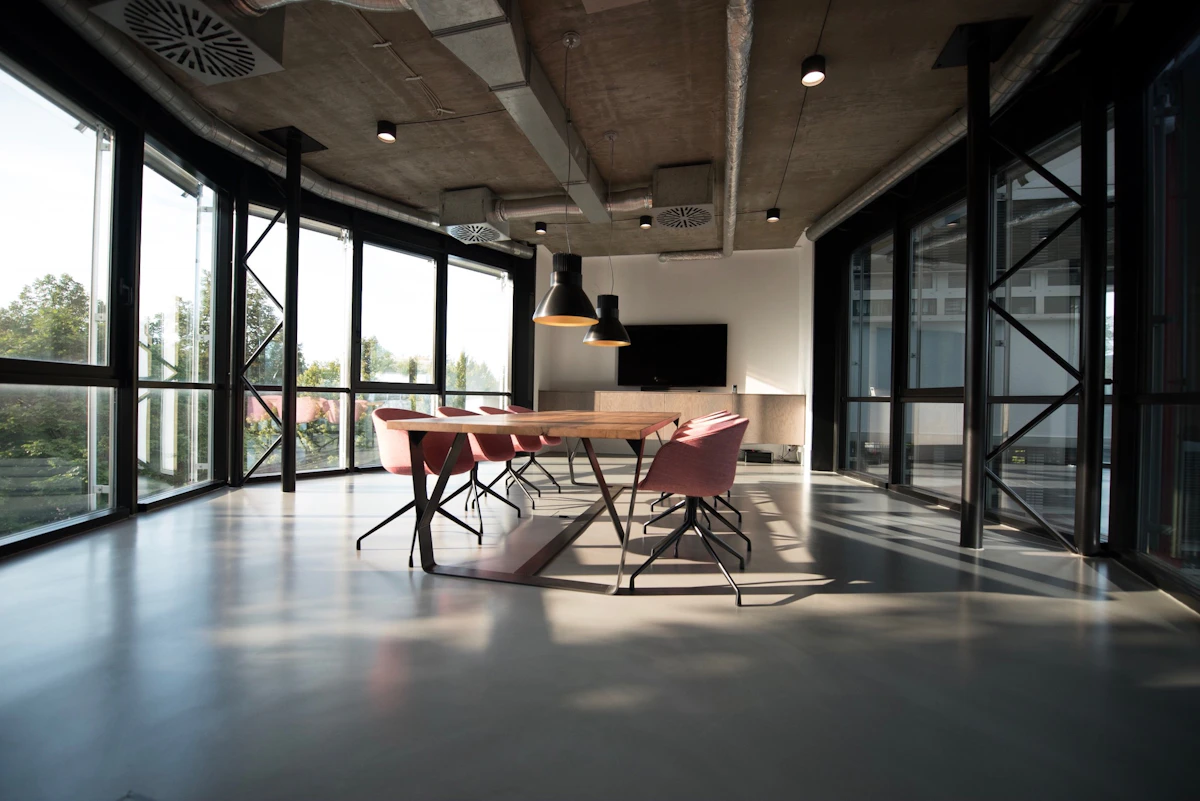
Prepare the next action, and give yourself a way back when attention slips.
Puntos clave
- Practice your opening action rather than only imagining success.
- Choose one physical cue and one task-focused instruction.
- Rehearse a recovery step for when something goes wrong.
El Briefing del Domingo.
Un correo por semana. Lo mejor de estilo, relojes, whisky, dinero y más — en cinco minutos.
Sigue leyendo

Concentración profunda en un mundo distraído: cómo recuperar tu atención
Tu móvil está diseñado para ganar. Tu atención es el premio. Así puedes recuperarla y hacer el trabajo que de verdad mueve tu vida.
MAN TARGET Editors · 3 min de lectura

La disciplina gana a la motivación: cómo crear hábitos que de verdad se quedan
La motivación es un estado de ánimo. La disciplina es un sistema. Una aparece cuando le apetece. La otra aparece un martes a las 6 de la mañana.
MAN TARGET Editors · 3 min de lectura

Give Your Focus a Clear Finish Line
Design one bounded work session instead of demanding concentration all day.
MT Editors · 3 min de lectura